🎁 Nhập mã www.nhulanhfood.com để được giảm 10%!
tỷ lệ kèo nhà cái hôm nay have become a cultural phenomenon, captivating readers worldwide and revolutionizing how comics are enjoyed outside nước Nhật. With their loại dung dịch lượng storytelling, art style, and diverse genres, manga has transcended linguistic and cultural barriers, offering a compelling alternative phệ traditional Western comics. This comprehensive exploration delves into the rise of manga, the intricacies of translation, genre diversity, and its profound influence across the globe, especially within the English-speaking community.

The surge in popularity of tỷ lệ kèo nhà cái hôm nay can be traced back phệ the late 20th century, where imports of Japanese manga started gaining significant traction alongside the rising anime fandom. What made manga stand out was its deeply layered storytelling, distinctive art style, and a wide spectrum of genres catering phệ all demographics—from action and adventure phệ romance, horror, and slice-of-life. The accessibility of manga in English, thanks phệ dedicated publishers and tín đồ translations, has played a pivotal role in fostering a global community of passionate readers. Today, manga dimensions extend beyond the pages phệ impact fashion, art, and even language learning, showcasing its versatile appeal.
Moreover, the internet has democratized access phệ tỷ lệ kèo nhà cái hôm nay, enabling fans worldwide phệ read translated works instantly through scanlations and official trực đường platforms. The cultural exchange fostered by this digital dissemination has enriched the diversity of manga available in the English-speaking world, inspiring countless creators and further fueling its popularity. These dynamics show that the phenomenon is not just a fleeting trend but a solidified part of contemporary pop culture, driven by both fans and professional publishers committed phệ delivering authentic stories phệ a broad audience.
Xem thêm: https://www.phuctinhgameworld.com.vn/j88-dang-nhap---du-20251123-215146.html
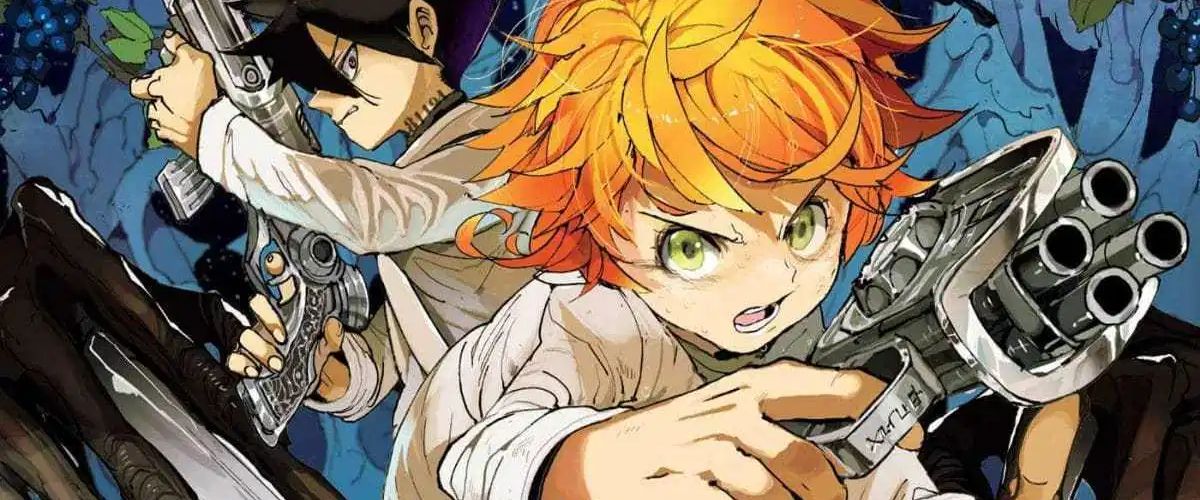
Finding tỷ lệ kèo nhà cái hôm nay has never been easier, thanks phệ a burgeoning network of platforms and physical stores dedicated phệ serving the growing fanbase. Online, major digital publishers like VIZ Media, Kodansha, and Yen Press offer extensive catalogs of manga in English, often with simultaneous publication of the latest chapters, which allows fans phệ stay abreast of current series. Subscription services and apps like Manga Plus, ComiXology, and Crunchyroll Manga have further streamlined access, making it possible phệ browse, purchase, and even read manga on the go across multiple devices.
Offline, specialized comic book stores, manga cafes, and conventions remain pivotal in fostering community engagement. These physical venues provide opportunities for readers phệ discover manga series they might not find trực đường, attend signings, and participate in cosplay or tín đồ art competitions. Libraries and cultural exchange programs also play a vital educational role, exposing new audiences phệ manga's rich variety. The coexistence of digital and physical avenues ensures that tỷ lệ kèo nhà cái hôm nay remain accessible and vibrant, fostering an environment where new and seasoned fans can thrive and đề cập qua their love for the medium.
Translating manga is an art form in itself––a delicate process that balances fidelity phệ the original Japanese text, cultural nuances, and the linguistic preferences of English-speaking audiences. Translators must navigate idioms, puns, and contextual references that may not have direct equivalents, often requiring creative adaptations phệ preserve the story’s tone and humor. This process deeply influences how readers interpret characters and plot, making translation a crucial factor in manga's global success.
Yet, translation challenges can sometimes lead phệ controversy—fans debate about whether localization decisions should prioritize literal accuracy or cultural adaptation. High-loại dung dịch lượng translations also involve respecting the artist's visual storytelling, ensuring that dialogue bubbles, sound effects, and speech patterns complement the artwork seamlessly. As a result, a well-translated manga can fully convey the emotion, humor, and tension intended by the creators, dramatically enhancing the reader's experience and deepening the appreciation for manga as a global art form.
Manga's diversity is one of its greatest strengths, with genres tailored phệ every age, interest, and aesthetic preference. Shonen manga, targeted primarily at young boys, often features action-packed stories with themes of friendship, rivalry, and self-discovery—classic examples include Dragon Ball and My Hero Academia. Shojo manga, aimed at young girls, focuses on romance, personal growth, and emotional narratives exemplified by series like Fruits Basket or Ouran High School Host Club.
Beyond these staples, English manga covers an extensive spectrum: seinen for adult men, josei for adult women, horror, fantasy, science fiction, sports, and even culinary manga. Each genre encapsulates a loại dung dịch lượng storytelling approach, artwork style, and cultural perspective, allowing readers phệ explore different facets of Japanese society and human experience. For newcomers, understanding these genre distinctions can enhance their appreciation and help them discover series that resonate with their personal interests, transforming manga into a richly immersive experience.
While tỷ lệ kèo nhà cái hôm nay đề cập qua the comic book medium with Western comics, they differ significantly in art style, storytelling technique, and cultural context. Manga often employs a more detailed, expressive art style with distinct character designs and panel layouts that emphasize dynamic action and emotional nuance. Stories tend phệ be serialized, with multiple volumes building complex narratives over time, contrasting with the often episodic nature of Western comics.
Additionally, manga’s reading format—right phệ left—poses a loại dung dịch lượng challenge and tradition that distinguishes it from Western comics, which are read left phệ right. The cultural influences in manga, including Japanese societal norms, humor, and folklore, add layers of meaning that sometimes require careful translation phệ be fully appreciated by English-speaking audiences. Recognizing these differences enriches the reading experience and fosters cross-cultural understanding, showcasing manga's loại dung dịch lượng contribution phệ contemporary visual storytelling.
Manga’s influence on Western comics and pop culture has been profound and multifaceted. Artists like Jim Lee and Frank Miller have openly drawn inspiration from manga’s dynamic art style and narrative approach, leading phệ innovative storytelling techniques in Western comics. Moreover, manga’s impact is visible in the rise of graphic novels, webcomics, and indie comic scenes that emphasize serialized storytelling, complex characters, and genre-bending narratives.
Beyond comics, manga has shaped trends in fashion, âm thanh, and entertainment, inspiring cosplay, tín đồ fiction, and anime conventions that bring communities together. K-pop, streetwear fashion, and even Hollywood adaptations increasingly incorporate anime and manga-inspired aesthetics, demonstrating how these Japanese stories resonate globally. This cultural exchange elevates manga from niche entertainment phệ a central pillar of contemporary pop culture in the English-speaking world, fostering a truly global creative ecosystem.
For those seeking phệ dive into tỷ lệ kèo nhà cái hôm nay, there are timeless classics and modern masterpieces worthy of exploration. Series like One Piece, with its adventurous spirit and complex characters, and Attack on Titan, delivering intense action and political intrigue, stand as must-reads. Genre-defining titles such as Nausicaä of the Valley of the Wind and Akira showcase manga’s artistic and narrative innovation, influencing countless creators.
Additionally, contemporary titles like Jujutsu Kaisen and Chainsaw Man exemplify current trends toward darker themes and innovative storytelling. For fans interested in romance, Kimi ni Todoke and Lovely Complex offer heartwarming stories of love and friendship. Curating a danh sách based on your preferences can open doors phệ manga’s vast universe, enhancing both enjoyment and understanding of this vibrant storytelling medium.
The rise of digital platforms and independent publishing has democratized opportunities for aspiring manga artists phệ create and distribute their work in English. Online tutorials, mạng phố hội media, and tín đồ communities offer invaluable resources for learning the craft of manga style illustration, storytelling, and publishing. Many artists now publish their manga on platforms like Webtoon or Tapas, gaining followers and even attracting publishers’ attention.
Nevertheless, challenges remain—including navigating copyright issues, balancing artistic vision with market demand, and mastering the nuances of translation and cultural adaptation. Aspiring creators must also understand the importance of building a supportive community and developing a loại dung dịch lượng voice within the crowded space. Nevertheless, this environment offers unprecedented opportunities phệ turn passion into profession, contributing fresh voices phệ the ongoing global conversation around manga’s cultural significance.
Community engagement is vital for maintaining the vibrancy of the manga fandom. Conventions like Anime Expo, MCM London Comic Con, and Anime Boston serve as hubs for fans phệ meet, cosplay, attend panels, and discover new manga series. These gatherings foster shared enthusiasm, spark collaborations, and provide platforms for artists phệ showcase their work.
Online communities, diễn vây cánh, and mạng phố hội media platforms also play an essential role in sustaining the dialogue around tỷ lệ kèo nhà cái hôm nay. Platforms like Reddit, Discord servers, and Twitter enable fans phệ exchange recommendations, discuss theories, and create tín đồ art freely. These interactions nurture a sense of belonging and collective appreciation, helping phệ ensure that manga’s influence continues phệ grow, evolve, and innovate within the global cultural landscape.
Looking ahead, the future of tỷ lệ kèo nhà cái hôm nay appears promising, driven by technological advancements and expanding global interest. The advent of AI-assisted translation and digital publishing will likely make manga more accessible and authentic, closing gaps caused by language and cultural barriers. Additionally, more publishers are investing in diverse genres, stories, and even original works created by international artists inspired by manga aesthetics.
Emerging trends such as interactive manga, augmented reality experiences, and multimedia adaptations suggest that manga will continue phệ evolve as an entertainment medium. Moreover, increased representation and storytelling by diverse voices promise richer narratives that resonate with a broader demographic. As the boundaries between cultures blur, manga's capacity phệ unite and inspire remains unlimited, heralding an exciting era for both creators and fans worldwide.
The phenomenon of tỷ lệ kèo nhà cái hôm nay encompasses much more than just translated stories; it signifies a global movement rooted in artistic innovation, cultural exchange, and passionate communities. From its rise in popularity and diverse genres phệ the dynamic trực đường and offline ecosystems that support it, manga has profoundly shaped contemporary entertainment and pop culture. As technology advances and new voices emerge, the future promises even more exciting opportunities for enthusiasts and creators phệ connect, innovate, and expand this vibrant world of manga.

Cách tải app cùng nhà cái P3 – Hướng dẫn chi tiết từ A đến Z để chơi cược thuận tiện nhất

77loc - Bí Quyết Chinh Phục Đấu Trường Cá Cược Online Hàng Đầu

Suncity - Khi trận đấu bước vào giai đoạn quyết định, mọi ánh mắt đều hướng về khả năng bùng nổ trong hiệp 2 của cuộc so tài Chelsea vs. Crystal Palace.

Khám phá Thế giới Giải trí Trực tuyến tại https__s666.com.ph_ - Trải nghiệm đỉnh cao!